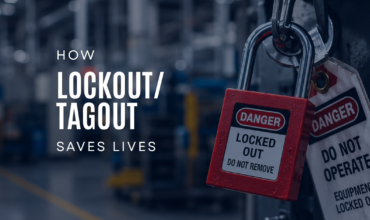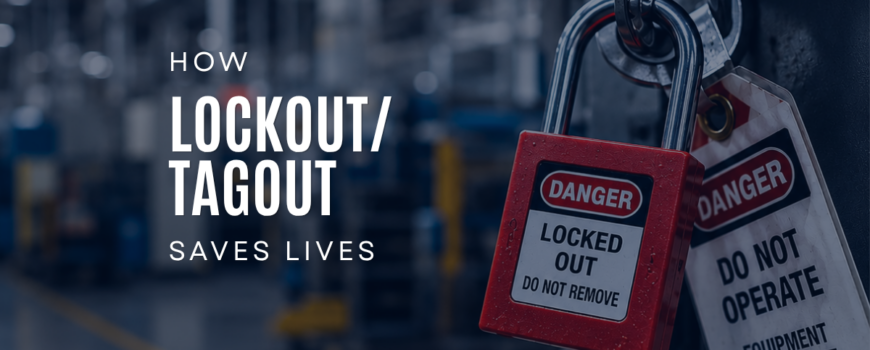
Lockout/Tagout: The Safety Procedure That Saves Lives
Every year, workers are seriously injured—or lose their lives—because machinery is unexpectedly energized during maintenance or servicing. These incidents are preventable when proper Lockout/Tagout (LOTO) procedures are followed.
Lockout/Tagout is one of the most effective safety practices in any industrial, manufacturing, construction, or maintenance environment. It protects employees from hazardous energy by ensuring equipment is completely shut down, isolated, and cannot be restarted until work has been safely completed.
What Is Lockout/Tagout?
Lockout/Tagout refers to the process of controlling hazardous energy before servicing or maintaining equipment. This includes electrical, mechanical, hydraulic, pneumatic, chemical, thermal, and stored energy sources.
The procedure typically involves:
- Shutting down the equipment.
- Isolating all energy sources.
- Applying a lock to prevent the equipment from being energized.
- Attaching a tag identifying who placed the lock and why.
- Releasing or restraining any stored energy.
- Verifying that the equipment has been fully de-energized before work begins.
Only the employee who applied the lock should remove it after confirming the work has been completed safely.
Why Lockout/Tagout Matters
Unexpected startup of machinery can have devastating consequences. Workers can become caught in moving parts, suffer electrical shock, or be exposed to sudden releases of pressure or stored energy.
A well-implemented Lockout/Tagout program helps organizations:
- Prevent serious injuries and fatalities.
- Protect maintenance and service personnel.
- Reduce equipment damage.
- Improve operational reliability.
- Maintain compliance with OSHA regulations.
- Foster a strong workplace safety culture.
Simply put, taking a few extra minutes to properly isolate hazardous energy can prevent life-changing accidents.
Common Mistakes to Avoid
Even organizations with established safety programs can experience LOTO failures. Some of the most common mistakes include:
- Failing to identify every energy source.
- Not verifying zero energy before beginning work.
- Sharing locks or allowing unauthorized employees to remove them.
- Using damaged or improperly labeled lockout devices.
- Skipping procedures because the task is considered “quick.”
Safety shortcuts often become the cause of preventable incidents.
Best Practices for an Effective LOTO Program
A successful Lockout/Tagout program goes beyond simply handing employees a lock. Employers should:
- Develop written procedures for every applicable machine.
- Train both authorized and affected employees.
- Conduct periodic inspections of LOTO procedures.
- Use standardized locks, tags, and devices.
- Review procedures whenever equipment or processes change.
Regular training and refresher courses help ensure employees remain confident and compliant.
Safety Is Everyone’s Responsibility
Lockout/Tagout isn’t just a regulatory requirement—it’s a commitment to protecting people. Every employee has the right to return home safely at the end of the day, and every employer has a responsibility to provide the systems and training that make that possible.
When hazardous energy is properly controlled, injuries are prevented, downtime is reduced, and everyone benefits. The next time maintenance begins, remember that taking the time to lock out and tag out equipment isn’t just following a procedure—it’s protecting a life.
Remember: If the equipment isn’t locked out, it isn’t safe to work on.