What Your OSHA 300 Logs Are Telling You
The February 1 deadline for posting OSHA 300A Logs is quickly approaching, with electronic submission to OSHA due by March 2. For many organizations, this is a routine annual task. But inaccurate or incomplete logs can create far bigger issues than most employers realize.
Mistakes on OSHA 300 and 300A logs don’t just lead to compliance concerns. In many cases, they can disqualify organizations from bidding on work, delay projects, or raise red flags during audits and prequalification reviews. Now is the time to review your records carefully and ensure they are accurate, complete, and defensible.
Safety Is More Than Compliance — It’s a Continuous Cycle
Too often, OSHA logs are treated as paperwork to complete and file away. In reality, they are one of the most valuable safety tools an organization has.
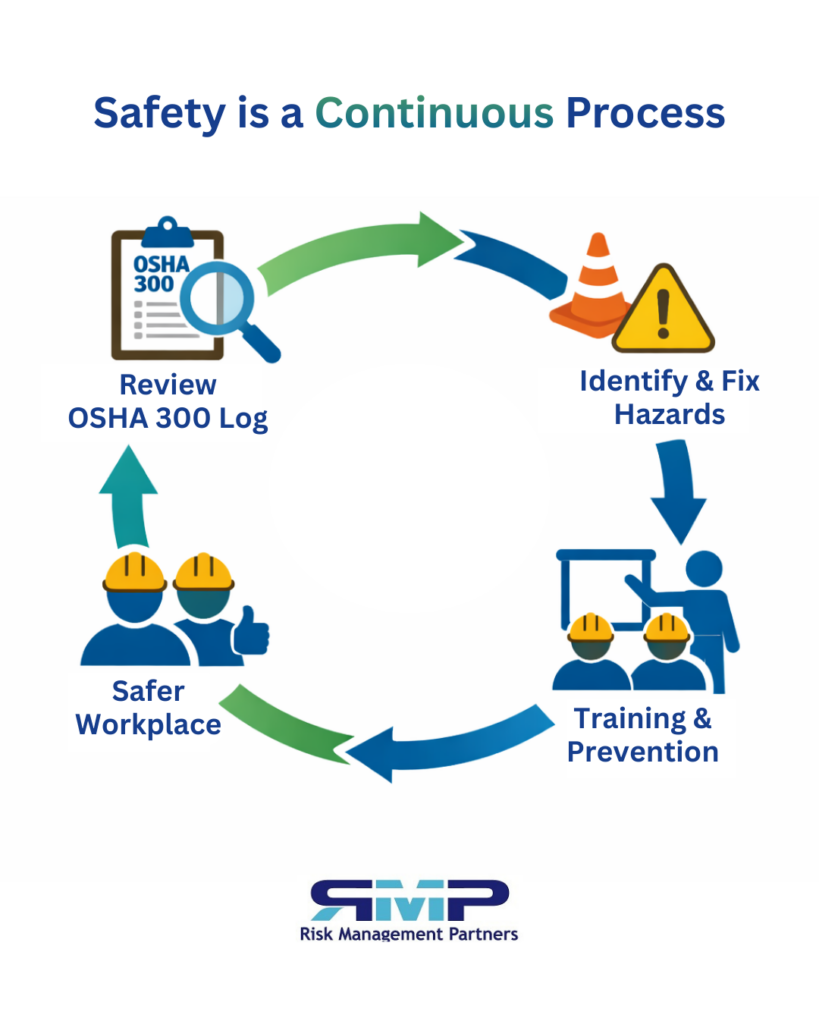
Safety is not a one-time checklist. It’s a continuous cycle:
- Review OSHA 300 logs
- Identify trends and hazards
- Provide targeted training
- Implement preventive measures
- Create a safer workplace
When used correctly, OSHA 300 logs help organizations reduce risk over time and prevent incidents before they happen.
Every Incident Tells a Story
OSHA refers to workplace injuries as “incidents” for a reason. Most injuries are predictable and preventable.
Patterns in slips, back injuries, or needlesticks often point to underlying hazards such as housekeeping issues, improper lifting practices, or gaps in sharps management. OSHA 300 logs act as a signal, helping organizations spot these trends and address root causes before more injuries occur.
Using safety data proactively demonstrates management commitment, strengthens safety culture, and leads to better outcomes for employees and operations alike.
The Cost of Inaction Adds Up Quickly
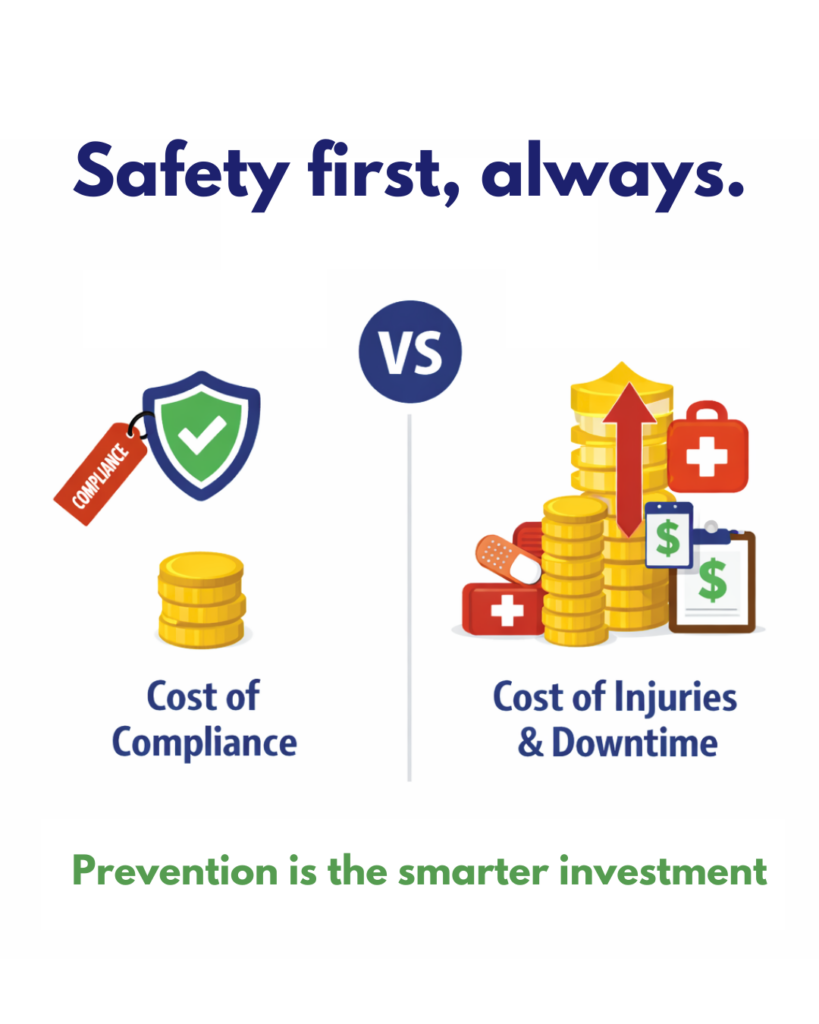
A small investment in safety today can prevent much larger costs tomorrow. Injuries lead to downtime, workers’ compensation claims, increased insurance costs, and lost productivity. Over time, these costs far outweigh the effort required to maintain accurate logs and implement effective prevention strategies.
Organizations that leverage OSHA 300 logs and other safety data are better positioned to identify hazards early, reduce incidents, and protect both their people and their bottom line.
How RMP Can Help
Risk Management Partners works with organizations across the United States to go beyond basic compliance. We help:
- Review OSHA 300 and 300A logs for accuracy
- Correct common and costly errors
- Ensure records are ready for posting and electronic submission
- Turn safety data into actionable prevention strategies
Our goal is not just to help you meet deadlines, but to help you build a safety process that protects employees, supports operations, and strengthens your business.
Reminder:
- OSHA 300A Log posting deadline: February 1, 2026
- Electronic submission deadline: March 2, 2026
If you’re unsure whether your logs are accurate or want to use your safety data more effectively, RMP is here to help. Contact us today to get started.